
About MOVE EP
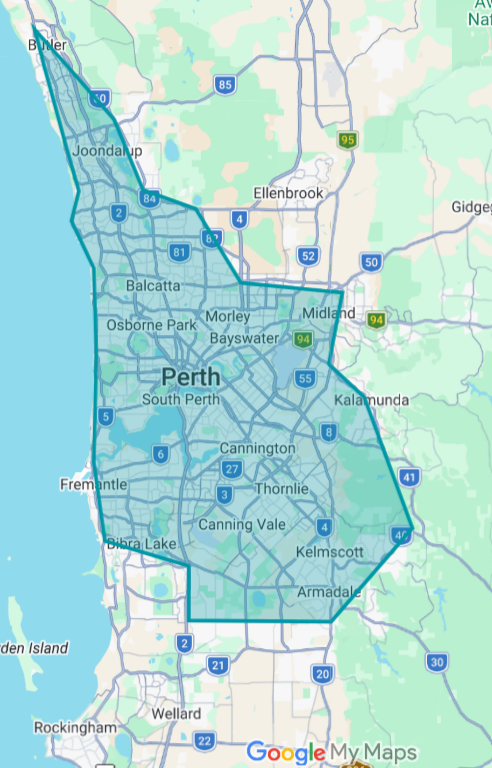
MOVE Exercise Physiology provides mobile, evidence-based exercise physiology services across the Perth region, delivering care in homes, workplaces, leisure centres and community environments.
Care is tailored to the individual and shaped by more than a diagnosis alone. Programs consider personal goals, physical capacity, environment and the practical realities of everyday life, ensuring support is clinically appropriate, achievable and relevant beyond structured exercise sessions.
Our practice is guided by the three pillars of health: physical, psychological and social wellbeing. Movement is used as medicine to support function, confidence, independence and participation in daily life.
At the heart of MOVE is the belief that everyone has a right to access and benefit from movement. Services are inclusive, adaptable and delivered in settings that best support engagement and progress, meeting people where they are and supporting movement in ways that are meaningful to them.
Meet Kalypso
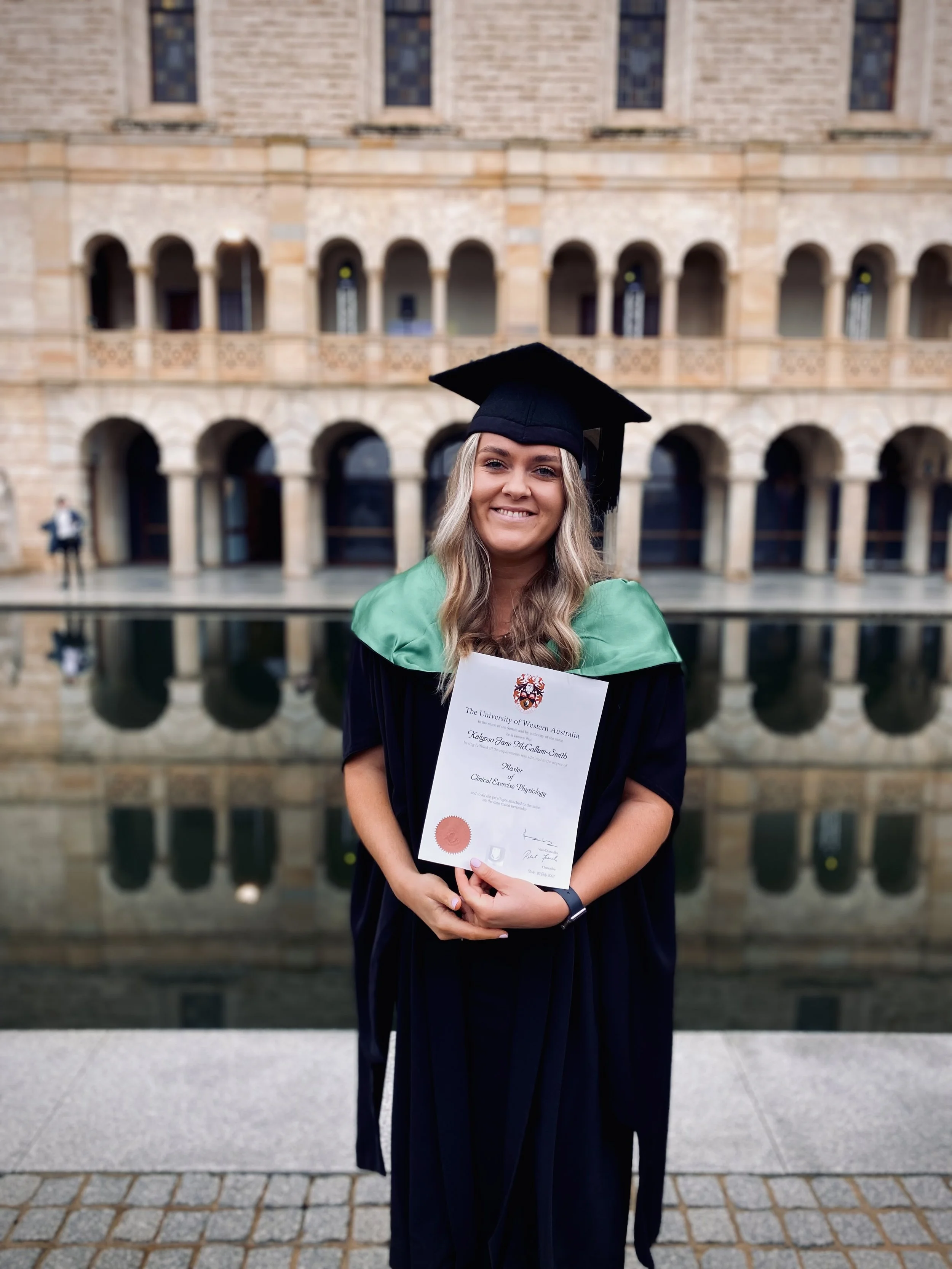
Kalypso McCallum-Smith
Kalypso is a university-qualified Exercise Physiologist, holding a Master of Clinical Exercise Physiology and a Bachelor of Science with a double major in Sports Science, Exercise & Health from the University of Western Australia. With over five years’ experience across clinical, community and mobile settings, Kalypso has worked with clients across the lifespan, from early childhood through to older adulthood, supporting people with complex, chronic and long-term health needs.
With strong working knowledge across government and private health pathways, Kalypso is experienced in delivering care within multidisciplinary environments and values clear communication with clients, families and stakeholders. Her approach prioritises practical, individualised support that fits into real life and evolves alongside each person’s goals and capacity.
Having grown up playing sport, with a background in state-level basketball, Kalypso has always had access to movement and understands its impact beyond physical health. She believes everyone has the right to move in ways that feel achievable, enjoyable and meaningful, and is passionate about supporting people who are new to movement, returning after injury or illness, or unsure where to begin. Her work focuses on building confidence, resilience and long-term engagement by helping people find enjoyment in movement, feel comfortable giving things a go, and discover ways of moving that genuinely fit their life.
Kalypso has a strong interest in working with neurological and psychosocial presentations, including spinal cord injury and mental health conditions, as well as individuals managing complex or long-term health needs.
Accredited Exercise Physiologist (AEP)
(MClinExPhys; BSc Sports Science, Exercise & Health)
Who We Are
-
MOVE Exercise Physiology works with individuals across a broad range of clinical and functional presentations. Services are delivered with a strong focus on safety, education and enjoyment to support long-term sustainability and confidence with movement.
Programs are developed collaboratively and may involve coordination with families, support workers and other health professionals where appropriate. This ensures care remains aligned with broader goals, funding frameworks and real-world demands.
Service delivery is flexible and responsive, recognising that progress is rarely linear and that capacity can change over time. Support is adjusted as needed to remain appropriate, effective and person-centred.
-
The name MOVE reflects flexibility, adaptability and the ability to shift — not only physically, but psychologically and socially through access to movement. Movement is a fundamental part of health and participation in life, yet it is not equally accessible to everyone.
MOVE exists to help bridge that gap. For many people, barriers such as injury, health conditions, confidence, environment, support or access make independent movement difficult. Our role is to reduce those barriers and support people to experience the benefits of movement in ways that are safe, achievable and meaningful for them.
Movement looks different for every person and can change over time. Care is therefore flexible and responsive, supporting not only physical capacity, but also confidence, emotional wellbeing and social participation alongside it.
The kōru symbol represents growth, strength and adaptability — values that underpin how care is delivered and how people are supported to move well over time. The kōru is a traditional Māori symbol and is used with respect for its cultural meaning and origins.